
Our podcast is called Staying Sane in Law with Annmarie Carvalho, the lawyers' therapist. Each episode, Annmarie meets a leader in the legal profession and the therapists who work with them, to talk about balancing high-pressure careers with the ups and downs of everyday life.
We have just reached 1000 downloads on the podcast !!
To listen for yourself, you can download our episodes here: https://stayingsaneinlaw.buzzsprout.com/2614964
Please contact us on support@carvalhotherapy.com for more information about any of our services.







Has anyone ever said this to you?
Annoying, isn't it?
Taylor Swift even sang it in her song "You need to calm down" (I'm pretty sure she was being ironic...)
There's a reason why telling someone who's upset to calm down is completely pointless.
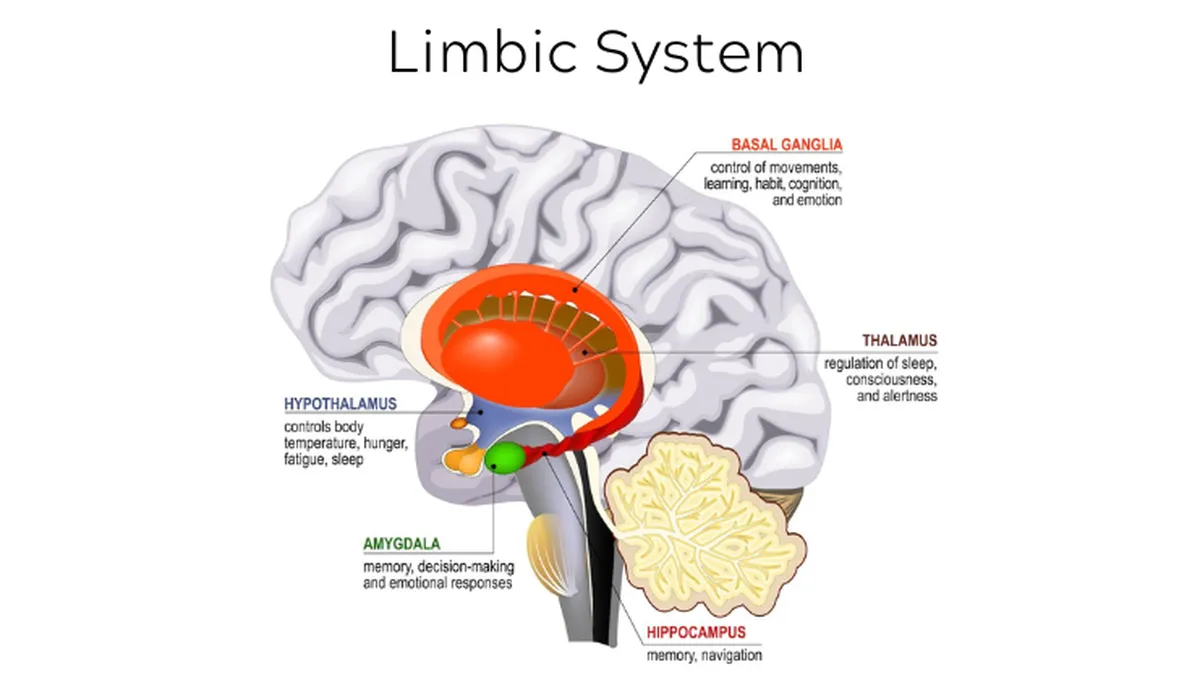
It's all about a little almond-type thingy in our brains 🧠 . And yes, we're back to our new best friend at The Carvalho Consultancy, Brian the Brain.
You see, 'almond' is the translation of the Latin word ‘amygdala’ which describes the part of the brain where the fight or flight mechanism comes from.
Some people talk about the amygdala being like the smoke alarm of the brain. It tells you when danger is afoot.
So, if I accidentally step out into the road in front of a car, my amygdala will start flaring off and telling me to get back.
Helpful, right?
Yes. But the problem is this. If a person’s brain (and therefore their amygdala) has been subject to prolonged stress or trauma, it starts to become hyperreactive. It starts to flare off and signal that danger is afoot even if the perceived danger is minor.
We know that parts of the brain are actually physiologically altered by stress or trauma.
You may know that the brain is made up of the prehistoric brain (associated with bodily functions and emotions) and the newer brain (more associated with logic and rationality). The amygdala is part of the prehistoric brain.
This is why, when we’ve reacted to a perceived threat and our amygdala is triggered, it’s pretty pointless for people to tell us to ‘calm down’. Because they’re trying to appeal to our logical mind. And that’s not where we are! They may as well be talking a different language.
You can’t rationalise people out of their feelings.
The first thing we need to do to is to calm the amygdala and that has to be via feelings and the body – not through rational thought.
This is why breathing exercises and meditation can be so helpful.
Once you have taken those steps, you leave space for the logical, analytical mind to come in and start taking helpful steps.
So, what if you’re working with a client whose amygdala is reacting? Well, this is where some basic therapeutic skills come in handy and are useful for anyone, from any profession.
Simple acknowledgements of how they feel.
Affirming what they’re doing well
Reflecting back to them the feelings they seem to be communicating to you.
Paraphrasing and summarising what they’ve said.
Showing empathy.
All these things will help to soothe a frazzled amygdala.
So don’t put the cart before the horse 🐴 !
There’s a time for rationality.
But there’s also a time for being with your client in their feelings.
You have to learn how to do this without chivvying people on immediately.
Yes, even if you are a time-pressured lawyer! Give it space. You’ll find it much easier to make headway (pun intended) with your clients if you do.